Blog

Betting on Democracy: How Prediction Markets Like Polymarket Change Political Forecasting

Okay, so check this out—political betting used to be a niche hobby for wonks and the occasional gambler. Wow! Now it’s creeping into mainstream conversation, and not just because of the headlines. Prediction markets, where people trade contracts tied to real-world events, are quietly becoming one of the sharpest tools we have for forecasting elections and policy outcomes. My instinct said this would be messy, and honestly, something felt off about how quickly people equate price with truth. But there’s also real signal in the noise, and that tug-of-war is exactly what makes these markets interesting.

At a basic level, prediction markets are simple. Really? Here’s the thing. You buy a contract that pays $1 if an event happens. The price is the market’s probability estimate. Traders with skin in the game move that price by buying and selling. Medium-sized markets aggregate information fast. Long, nuanced debates still matter though, because markets reflect beliefs, biases, and liquidity constraints.

Initially I thought markets were just gambling dressed up in tech. Actually, wait—let me rephrase that. On one hand they are like any market with risk-seeking participants and noise traders. On the other hand, when enough diverse people participate, markets can beat polls and pundits. My experience in DeFi and prediction platforms tells me that decentralization amplifies both the upside and the chaos. You get quicker pricing, and you get more fringe bets too. Hmm… that tension is the point.

So how does Polymarket fit in? For people who want to jump straight into a market, Polymarket has been one of the more visible crypto-native platforms for political and event-based trading. There’s a straightforward login and interface for jumping into questions about elections, legislation, or macro events. If you want to try it, consider the polymarket official site login for access and market discovery. But remember—easy access doesn’t mean easy money.

A lively trading screen showing prediction market price movements and volume, suggesting intense activity during an election cycle

Why traders and forecasters disagree

Prediction markets are not a crystal ball. They’re a noisy, adaptive instrument. Traders bring private information, models, gut feelings, and biases. Short sharp sentences can mislead though; you need the long view sometimes. Traders may react to a late-breaking poll, while others update based on fundraising numbers or local reporting. That mix is what produces the price, and it can be more accurate than any single source because it disciplines overconfidence and rewards contrarian insight—provided there’s enough liquidity and diverse participation.

One thing bugs me about public debate: people treat market prices like ordained truth. I’m biased, but a price is best read as a probabilistic belief, not a prophecy. Markets are fast and merciless. They punish sloppy reasoning quickly. They also amplify herds. On long shots, prices often understate the true probability because traders are human, and humans are risk-averse and biased in predictable ways.

Regulation is a real wild card here. Different jurisdictions treat political betting differently, and the U.S. legal landscape is uneven. Federal law, state law, and exchange policy all interact in messy ways. For platforms operating on-chain, that adds another layer: pseudonymous trading raises compliance questions and political scrutiny. So while the tech enables new forms of participation, it also invites regulatory attention that can change market incentives overnight.

From a systems perspective, DeFi-native markets like Polymarket introduce clever design choices. Markets can be permissionless, or they can gate access to accredited traders. They can settle automatically on-chain, or involve trusted oracles. Each choice trades off speed, transparency, and legal safety. For example, oracle design is very very important because a single bad feed can wreck settlement and trust. There’s no magic here—just engineering and governance combined with human incentives.

Strategies for a newcomer? Start small and be humble. Short bursts of intuition help—“Whoa, this feels wrong”—but back intuitive moves with a view of probabilities and expected value. Use position sizing rules. Treat each market like a portfolio line item. If you’re betting on an election outcome, diversify across states or related propositions. And hedge when you can. Also, read local news. Markets price many signals, but they often miss fine-grained, on-the-ground info that can matter in close races.

One practical tip from my time in prediction markets: liquidity is king. Markets with shallow liquidity are manipulable and noisy. If you see a big move on low volume, step back. If it’s sustained and volume follows, maybe there’s new information. Tools that show depth, open interest, and recent trade sizes make all the difference when you’re sizing up a position. Traders who ignore market microstructure are asking for surprises.

Ethics and externalities matter too. Prediction markets can incentivize information revelation, which is often good. But they can also create perverse incentives. If an actor can profit from a market outcome that they can influence, you get moral hazard. That’s not theoretical—companies, activists, and even states can affect outcomes for gain if regulations and governance are weak. Having thoughtful market rules and surveillance helps, but it never eliminates the risk.

Technically, automated market makers (AMMs) have made prediction markets more accessible, especially in DeFi. Automated liquidity provision smooths trading and provides continuous prices. Yet AMMs introduce their own biases—like slippage and fee structures that affect pricing efficiency. While AMMs democratize participation, they require careful parameter tuning and resilient oracle integration. Otherwise, arbitrageurs will extract rents and leave ordinary traders worse off.

On a cultural level, prediction markets change how we talk about politics. Instead of declarative punditry, prices encourage probabilistic thinking. That’s a big shift. It’s also uncomfortable. People prefer simple narratives. Markets force nuance, and that irritates straightforward storytelling. (Oh, and by the way…) Some of the best forecasters I’ve seen are patient and iterative. They update slowly and admit uncertainty. That humility is refreshing in a world that rewards hot takes.

Insider note: community matters. Markets with active communities—comment sections, research threads, tip pools—tend to generate better price discovery. People share links, interpretation, and sometimes raw field reports. That social layer supplements pure trading signals. It’s messy, and it’s human. It also creates reputational dynamics that can either improve or contaminate the information environment depending on incentives.

FAQ: Quick answers for curious traders

Are prediction markets legal in the U.S.?

Short answer: it’s complicated. Federal law allows some betting forms, but state rules vary widely. Commodity Futures Trading Commission (CFTC) and other agencies have weighed in historically. Platforms operating with crypto or cross-border users add regulatory complexity. If legal clarity matters to you, consult counsel or stick to regulated exchanges and clear settlement mechanisms.

Can markets actually predict elections better than polls?

Often, yes—but not always. Markets can aggregate dispersed info and weigh it against monetary incentives, which helps. Polls capture snapshots; markets capture beliefs about final outcomes and react to new info faster. In tight races or low-liquidity markets, polls can still outperform. Use both as complementary tools.

How risky is trading on platforms like Polymarket?

High risk. Political events are volatile and can hinge on late developments. DeFi platforms also have smart contract risk, oracle risk, and regulatory risk. Only risk capital should be used, and you should size positions relative to your overall portfolio and risk tolerance.

I’ll be honest: I don’t have all the answers. Prediction markets are evolving fast, and policy responses will shape their future more than any single innovation. On one hand, they could democratize forecasting and improve collective decision-making. On the other hand, without careful rules and good design, they can amplify bad incentives and create new harms. I’m cautiously optimistic though. The signal is real, even if it’s buried in noise, and that makes this space worth paying attention to.

So, if you’re curious and you want to participate, do your homework. Start with small positions, watch liquidity, and read the room—literally and figuratively. Markets teach you humility quickly. They also teach you to think probabilistically, and that skill alone is valuable beyond the bets. Seriously? Yep. Try it and see which parts surprise you, which parts annoy you, and which parts make you rethink what you thought you knew. Somethin’ tells me this is just getting started…


How to track gas, ERC‑20 tokens and transactions like a pro with an Ethereum block explorer

Okay, so check this out—block explorers are the single most useful tool for anyone dealing with Ethereum. They’re simple on the surface. Under the hood, they’re powerful and sometimes a little messy. If you build, trade, or troubleshoot on Ethereum, learning to read a block explorer will save you time, fees, and headaches.

Gas matters first. Really. Every transaction costs gas, and if you misread the gas signals you can overpay or get stuck with a pending tx. This article walks through practical steps: reading the gas tracker, inspecting ERC‑20 transfers and approvals, diagnosing stuck transactions, and using contract details to validate token behavior. I’ll point out common pitfalls and quick wins—some of which I still trip over from time to time.

Start by opening your explorer of choice and search for a transaction hash, address, or token symbol. If you’re not sure which explorer to use, this etherscan block explorer page is a handy place to begin; it’s familiar to most Ethereum users and surfaces the things we cover here.

Screenshot of a block explorer showing gas tracker, transactions, and token transfers

Gas tracker: what to read (and why)

Gas has three pieces you should watch: base fee, priority fee (tip), and gas limit. Base fee is protocol-driven and changes each block. Priority fee is what miners/validators get—your incentive to be included quickly. Gas limit is how much gas you’re allowing the transaction to consume.

Look at the gas tracker to see current recommended fees. If the network is quiet, base fee drops slowly. If there’s a big NFT drop or DEX activity, it spikes fast. My instinct says watch the 1‑5 minute trend, not just the instantaneous number. Seriously, a single spike can be noise.

When a transaction is pending, you can either speed it up or cancel (if the wallet supports it) by submitting a replacement tx with the same nonce and a higher gas price. On the other hand, if you accidentally set a very low gas limit, the tx can run out of gas and fail, consuming the ETH spent on gas but not completing the intended state change.

Reading ERC‑20 token activity

ERC‑20s show up in different ways. Token transfers are usually logged as Transfer events and appear under the “ERC-20 Token Txns” or “Token Transfers” tab for an address or transaction. That’s the first place to check if you sent tokens and they didn’t show up in your wallet yet.

Token amounts can be confusing because of decimals. If a token has 18 decimals (common), a display of 1,000,000,000,000,000,000 actually means 1 token. Wallets hide this complexity; explorers show both the raw and human‑readable amounts if the token contract is verified.

Approvals are a big deal. Many dApps ask you to approve unlimited spending for convenience. That leaves a persistent allowance on the token contract that a malicious contract could exploit. Check “Token Approvals” or the contract’s “Read Contract” functions to verify allowances, and revoke them if you don’t trust a spender anymore. I’m biased, but I revoke unused approvals regularly—better safe than sorry.

Contract inspection: the defense against scams

Don’t trust token names alone. Always click through to the token contract. A verified contract will show source code and ABI. If the code is verified, you can read functions, check owner privileges, and search for suspicious functions (minting, blacklist, pausing, or owner-only transfers). If you see a contract with no verified source, treat it like a stranger in a dark alley—fine to observe, not fine to interact with.

Events and logs are your friend. A transfer that doesn’t have a Transfer event likely didn’t move ERC‑20 tokens in the standard way. Internal transactions show value transfers triggered by contract code; they’re different from token transfers and often explain unexpected ETH movements.

Troubleshooting common issues

Transaction stuck? Check the nonce, gas price, and the mempool status. If there’s a pending prior tx with the same nonce, later txs will wait. Replace‑by‑fee (RBF) works if you originally set your tx to be replaceable. If not, you can submit a new tx with the same nonce from your wallet to overwrite it—provided you set a higher gas price.

Token not appearing in wallet? First verify the token contract address. Many tokens use similar names and tickers. Add the correct contract manually if needed—wallets rely on token lists that can be incomplete. Also, check token decimals and total supply on the explorer.

Suspect a rug pull? Look at the liquidity pool and the owner’s token balance. If the owner holds a huge percentage of the supply and there’s a “transferOwnership” or “mint” function that looks unbounded, consider it a red flag. Some tokens include a timelock or renounceOwnership, which are safer patterns, though not guarantees.

FAQ

How do I estimate gas for a smart contract call?

Use the block explorer’s “Read/Write Contract” or the gas estimator in your wallet. For complex calls, simulate the transaction in a testnet or use a “dry run” feature if available. The gas limit should be a bit higher than the estimated amount to avoid out-of-gas failures.

What is an internal transaction?

Internal transactions are value transfers that happen inside contract execution (like a contract sending ETH to another address). They don’t show up as standard transactions but are recorded in traces and internal tx tabs; they often explain unexpected ETH movements.

How can I check who created a token?

Click the token contract, then view the contract creator information and transaction that deployed the contract. That deployment tx is a good starting point to inspect the deployer address and any initial allocations.

Can I trust token audit badges on explorers?

Explorer badges help, but they aren’t foolproof. Read the actual audit report from the auditor, if available, and check the audit date. Audits are a snapshot in time; subsequent updates or malicious admin keys can change security posture.

Why Validation, Smart Contracts, and Yield Farming Are the Pulse of Ethereum Today

Okay, so check this out—validation isn’t just a backend detail anymore. Wow! It shapes user experience, tokenomics, and the very incentives that keep Ethereum honest. My instinct said this would be obvious, but honestly, the deeper I dug the less obvious it got. Initially I thought validators were purely technical actors, but then I realized they’re social and economic actors too, with incentives, coordination challenges, and very human failure modes.

Whoa! Validators secure the chain by proposing and attesting to blocks. These are not just bits moving around; they’re guarantees that the shared state everyone trusts won’t be rewritten overnight. On one hand, a robust validator set increases decentralization, though actually there’s tension — larger pools and liquid staking change the dynamics of who gets to validate and for how long. Hmm… somethin’ about that trade-off bugs me.

Seriously? Yes. Short-term yield mechanisms like yield farming overlay validation in ways that weren’t expected when proof-of-stake was new. Yield farming incentives can redirect capital toward staking or away from it, depending on rewards, risk, and smart contract design. At first glance yield farming looked like a pure growth engine for staking, but there’s more nuance—liquid staking tokens, derivative yield, and composability open up second-order risks that are easy to miss if you only glance at APRs.

Here’s the thing. Smart contracts are the glue between on-chain validation and off-chain capital allocation. They automate delegation, tokenize stake, and enable the composable strategies that yield farmers love. Check this out—contracts that mint liquid-staked ETH allow holders to keep liquidity while their ETH helps secure consensus, though those same contracts introduce contract risk and concentration risk. I’m biased, but I think the convenience is worth the trade for many users, yet caution is due.

Validator nodes and smart contracts diagram, personal sketch

How validation, staking contracts, and farms interact (and sometimes collide)

Validators are the engine. Liquid staking smart contracts are the gearbox. Yield farms are the drivers racing for the finish line. Wow! When you put them together you get powerful synergies. But you also get cascade failure modes—if a major liquid staking contract has a bug, or if a validator consortium misbehaves, the fallout propagates through yield strategies that relied on those tokens as collateral.

Initially I thought diversification across staking providers would solve this. Actually, wait—let me rephrase that: diversification helps, but it’s not foolproof. Some providers are correlated by design because they run on the same infrastructure providers or rely on the same oracle feeds. So the solution isn’t merely “spread it out”, it’s more like layering protections and understanding counterparty and smart-contract exposure. My mind keeps circling back to the same thing: transparency matters, and it’s surprisingly hard to get.

Take liquid staking pools like those that back tokens you can trade—these are governed by smart contracts and sometimes by DAOs. The governance model matters. On one hand, governance enables upgrades and risk management. On the other, it centralizes decision-making power into groups that can be opaque to retail users. Hmm… I remember watching a large upgrade vote where I felt uncomfortably out of the loop, and that feeling stuck.

I recommend looking into tools and providers that publish clear attestation metrics, slashing histories, and node-distribution maps. Seriously? Yes—transparency isn’t sexy, but it’s the best defense against systemic surprises. When a staking provider shows you who runs nodes, how rewards are calculated, and where penalties might come from, you can model worst-case scenarios more effectively. This is where engineering meets plain old risk math.

Why smart contract design is a make-or-break for yield strategies

Smart contracts enable composability—liquid staking tokens plug into lending markets, automated market makers, and yield aggregators. Wow! That composability drives innovation, but it’s also a single point of cascading risk. Medium-term thought: if a smart contract that mints a liquid token has a reentrancy bug, farms that accepted that token as collateral could suddenly be underwater. Long sentence coming—audits reduce, but don’t eliminate, risk, and even formal verification can’t predict every economic attack vector when complex incentives and external price feeds are involved.

On one hand, audits give confidence. On the other, there are cases where audited contracts still had unexpected interactions with other protocols. I’m not 100% sure why folks keep underweighting that in their models, but maybe it’s human nature to favor optimistic narratives. I’ll be honest—I still forget to stress-test my own assumptions sometimes. Double-checking is a habit worth cultivating.

Design choices matter: timelocks, withdrawal queues, fee structures, and how rewards are distributed all change user behavior. For example, a long withdrawal queue discourages quick exits and can stabilize stake, though it also raises liquidity premiums that traders and yield farmers will arbitrage. The system is dynamic—every change in contract parameterization ripples through the ecosystem.

Okay, so this is where protocols like lido come in—providing liquid staking with broad validator sets helps users keep capital fluid while still contributing to consensus security. Wow! Lido popularized liquid staking for ETH at scale, and that matter-of-fact convenience reshaped how people think about staking yield versus DeFi yield. That convenience has trade-offs; centralization concerns are real, but so are the benefits of usability and liquidity for everyday users.

Operational risks and the human layer

Validators are run by people or teams, and people make mistakes. Really? Absolutely. Node misconfigurations, delayed upgrades, and human error are common failure sources. Medium thought: some operators are very professional and have multi-region setups and automated failover; others are hobbyists running single servers. Long sentence—this variance in operational sophistication is a real factor in network resilience, and it’s one reason I watch operator transparency closely when I delegate.

Slashing is a blunt instrument. It enforces correctness but it also creates moral hazard considerations for large staking pools. If a staking pool is so large that slashing penalties are socialized or mitigated, their incentives might skew. Hmm… I find that tension interesting because it mixes engineering with governance in ways that aren’t purely technical. There’s a politics to it, frankly.

Practical tip: check withdrawal mechanics and emergency controls before depositing. Small things like who can pause a contract, or how emergency withdrawals are routed, can change the outcome in a crisis. I’m biased toward providers that document these procedures and publish runbooks, and yeah, that does add friction to onboarding, but it’s worth it.

FAQ

Q: Can yield farming increase validator centralization?

A: Short answer: yes, indirectly. Yield incentives that favor a handful of liquid staking providers can concentrate stake. Over time that concentration can reduce the effective decentralization of block proposers, especially if many yield strategies route rewards back into the same liquid stake tokens. It’s a feedback loop that requires governance and market solutions to mitigate.

Q: Are smart-contract risks more dangerous than slashing risks?

A: They are different. Smart-contract bugs can lead to immediate capital loss and cascade through DeFi. Slashing is protocol-level and penalizes protocol misbehavior, which can be large but is generally more predictable. Both deserve attention, and users should evaluate them in tandem rather than choosing one over the other.

Q: How should a regular ETH holder choose between staking directly and using liquid staking?

A: Ask yourself three things: do you need liquidity, how much trust do you place in the provider, and can you tolerate smart-contract risk? If you want liquidity and composability, liquid staking via trusted providers works well. If you prioritize maximal decentralization and control, running your own validator or using a thin, well-understood delegation path might be better. There’s no one-size-fits-all answer—your risk profile matters.

Why your trading platform matters more than your watchlist

Okay, so check this out—I’ve been using and testing pro-grade trading platforms for over a decade. Wow. Some are fast. Some are flashy. Few actually let you trade the way you think, in real time, under pressure. My instinct said the platform is the invisible hand in your daily P&L. Seriously?

At first I thought a shiny UI and lots of indicators would do the trick. But then I realized that execution, order routing, and latency matter way more than color themes. Initially I chased features; later I chased reliability. Actually, wait—let me rephrase that: features matter, but only if they don’t get in the way when markets move. On one hand, customization can speed a trader up. On the other, too much tinkering is a trap. Hmm…

Here’s what bugs me about consumer-level platforms — they often trade convenience for control. They hide order types, aggregate fills, or batch things in ways that look neat but cost you microseconds and clarity when fast markets bite back. A professional platform gives you granular control, fast hotkeys, and a sane DOM (Depth of Market) view, not just pretty charts.

Let me be blunt: if you scalp, day trade, or run very short timeframes, latency and execution logic are your real edge. You can have a great edge in analysis and still lose to poor routing or jitter. I learned that the hard way—several times. There’s nothing like watching an opportunity evaporate because your platform decided to redraw a chart mid-fill. Ugh. It still bugs me.

Trader using a multi-monitor setup with a professional trading platform open

What to look for in a professional trading platform

Speed. Not just raw speed, though that’s part of it, but consistent speed. You want predictability. If your platform generally executes within a predictable window, you can design strategies around that. If it spikes, you can’t. Latency spikes are subtle killers; they show up as slippage over time, and then poof—your edge shrinks.

Order types and routing control. Good platforms let you choose route preferences, icebergs, discretionary queues, and smart order types without obfuscation. If an order type is described in a sentence, test it on simulated money first. Too many times I saw “smart” orders that behaved like black boxes. Trust but verify.

Stability under load. Markets get messy. News hits, volatility soars, and your client should not freeze. You need memory-managed code and a robust connection stack—retries, graceful reconnections, and predictable reconfirmation behavior. I once had an app that attempted to resubmit orders endlessly during a disconnect. Not fun.

Customization and ergonomics. Hotkeys. Layouts. Two clicks should not become twelve. You want to execute, scale, and cancel quickly. Keyboard-focused execution is still the gold standard for speed. Mouse-only workflows are slower and clunkier in fast markets.

Backtesting and execution parity. If your strategy backtests perfectly on historical data but executes wildly different live, something is broken—data granularity, execution simulation, or slippage modeling. Check that your platform’s simulated environment mirrors live fills as closely as possible.

API & integration. Do you need to plug your algo into the platform? Look for low-latency FIX or proprietary APIs and clear developer docs. Not all APIs are created equal—throughput, rate limits, and supported order types matter. And yes, sometimes the “pro” API still limits you in ways that hurt scalping.

Data quality and cost. Tick-level data versus aggregated ticks—choose based on strategy. Subscribe to only what you need. Data vendors will nickel-and-dime you, so be intentional. Sometimes the cheapest data has gaps during the most important minutes. Not good.

Customer support and SLA. When things go sideways you want human support that can act quickly. U.S.-based support is often worth the premium for day traders who run capital on tight margins. I’ve waited too long on offshore support calls before—bad experience.

Downloading and trying a pro-grade platform

Okay—if you’re ready to test a real pro tier, try downloading a full client and running it in a demo first. Seriously, don’t skip the demo. Download the client, set your hotkeys, and simulate at-market fills during a live session. One practical option you can check out is the sterling trader pro download — it gives you a feel for how professional order flow and hotkey layouts operate without committing real capital immediately.

During your trial, test these things specifically: place market orders with different sizes and see fills, run cancel-all commands under simulated congestion, execute multi-leg bracket orders, and stress-test the API if you plan to automate. If any of these make you uncomfortable, the platform might not be production-ready for you.

Also, try it on both wired and wireless networks. Oh, and by the way… your home ISP might be fine for days with low activity but fail on a big news day. Consider redundancy: a fast wired connection plus a cellular backup (hotspot) can save you in a pinch.

Common tradeoffs and real-world considerations

Cost. Pro platforms cost more—data fees, exchange fees, and often a software subscription. But it isn’t just price; it’s about what that cost buys you. If the platform reduces slippage and increases fill reliability, it can pay for itself quick. I’m biased, but when you calculate slippage over months, it becomes clear.

Complexity. More power equals more options, and that increases the learning curve. Expect to spend time customizing and training. Don’t jump in with real money on day one. Practice. Repeat. And keep a checklist for live sessions, especially early on.

Feature creep. You will be tempted to add every plugin and indicator. Resist. Keep your trading environment lean. Too many visual toys add cognitive load, and cognitive load eats execution speed. This part bugs me—traders chasing tools instead of sharpening their process.

FAQ

How do I evaluate execution quality?

Track realized slippage vs. benchmark fills (midpoint or top of book depending on your style). Run replay tests with live data and compare fills. If your live slippage is consistently worse than your simulation, investigate routing and order type differences.

Can I use a professional platform on a laptop?

Yes, but be mindful of hardware and connectivity. Multi-monitor setups and wired Ethernet are preferred. Laptops are fine for travel and testing, though I wouldn’t recommend relying on them exclusively for heavy scalping unless they’re connected to a stable network and external monitors.

Is API latency measurable?

Absolutely. Measure round-trip times and matching engine times if available. Log your request/response timestamps. If you need nanoseconds or microseconds, consider colocated solutions or broker services that offer co-location and direct-market access.

“Charts Tell the Truth” — A Myth-Busting Guide to Crypto Technical Analysis

Common misconception first: that a chart is an oracle. Traders often treat technical charts as if they contained a deterministic roadmap—peaks mark fixed resistance, moving-average crossovers guarantee momentum, and a breakout equals a trade with predefined odds. That belief confuses representation with reality. Charts are compressed, lagging summaries of market interactions; they reflect the past, codify expectations, and sometimes amplify the very behaviors they seem to reveal.

This article corrects that misconception by unpacking how crypto charts work, where technical analysis (TA) helps, where it misleads, and how to combine practical risk controls, platform features, and sensible verification so the chart is an input to disciplined decision-making rather than a substitute for one.

Logo of a download hub; useful for locating desktop charting software and syncing workspaces across devices

How crypto charts encode information — mechanism, not magic

At base, a trading chart is a time-ordered aggregation of executed prices (ticks) into readable frames: candles, bars, or alternative bricks like Renko. That aggregation introduces two mechanics you must always remember: temporal granularity and smoothing. Choose 1-minute candles and you amplify noise; choose daily candles and you may miss intraday microstructure. Smoothing indicators (moving averages, EMA, Hull, etc.) reduce variance but introduce lag. Both are design choices, not truths.

Volume profile and on-chain metrics add orthogonal dimensions. Volume shows executed interest at price levels; on-chain flows (for crypto) provide a different signal: custody shifts between wallets or exchanges. The mechanism of inference is crucial: price+volume suggests who is trading here and how aggressively; on-chain flow suggests who controls the tokens. These are complementary but not always concordant. Learn to treat them as independent observations that can disagree.

Why platform features and architecture matter for trader security and analysis

Choosing a charting platform changes what you can reliably do. Modern cloud-synced platforms let you save annotated setups across devices and trigger complex alerts from custom scripts. For example, scripting languages (Pine Script on one widely used platform) let you codify pattern detection and backtest strategies — but backtests reflect the rules you coded, not the market the code will face live.

Operationally, cloud-based synchronization provides convenience yet creates an attack surface. Your workspace, watchlists, and alert definitions live in the cloud: that reduces the risk of data loss but raises questions about account security, multi-factor authentication, and access controls. If an attacker gains your platform credentials, they could disable alerts, publish fake ideas under your handle, or change scripts that trigger orders through broker integrations. Operational discipline—separate passwords, hardware MFA, and careful permissioning of APIs—matters as much as the strategy itself.

What charts can (reliably) tell you about crypto markets — and where they break

Useful signals are those with clear mechanisms linking observation to outcome. Examples: rising on-balance volume accompanying a price uptrend indicates more buying pressure; a sudden spike in exchange inflows often precedes sell pressure as tokens move toward potential liquidity pools. Those are plausible mechanistic links: order flow → price, custody moves → available supply.

Where charts break down is in inferring causation from correlation and in assuming constant market microstructure. Crypto markets are heterogeneous: exchange A may have maker-taker incentives, exchange B may aggregate liquidity with different latency. A breakout on a low-liquidity exchange can be a price anomaly, not a regime change. Backtests that ignore slippage, variable spreads, and order-book depth produce over-optimistic performance forecasts. That’s a boundary condition many traders overlook.

Technical tools, trade-offs, and how to choose them

There’s no single “best” chart type. Instead, choose based on the problem you’re solving. High-frequency scalpers need tick or 1-minute charts plus direct broker execution; swing traders benefit from daily candles and multi-timeframe confirmation. Alternative charts trade time for price: Renko reduces time-based noise and highlights directional moves but obscures time-related context like consolidation duration. Volume Profile shows where liquidity clusters; it’s powerful for sizing entries and exits but needs adequate historical depth to be meaningful.

Indicators are filters, not decision rules. An RSI overbought reading is an observation about recent momentum compression, not a sell order. Combine indicators that capture different mechanisms—momentum, trend strength, and liquidity—so you avoid redundant signals that simply repeat the same underlying noise.

Alerts, automation, and the security trade-offs

Alerts are where trading platforms become operational systems. Advanced alerting—price thresholds, Pine-script conditions, webhook delivery—lets you automate monitoring or feed execution engines. But automation widens the security surface. Webhooks that trigger execution should be routed through authenticated middle layers, rate-limited, and visibility-monitored. Never expose raw API keys in scripts or public ideas. Use separate keys for paper trading and live orders, and revoke keys routinely.

Paper trading is invaluable: simulate order execution in the platform before going live. But simulate realistically: model slippage, variable fills, and partial fills. Many platforms offer simulated paper trading that imitates market behavior, but you should calibrate expectations by comparing fills from the simulator with live trade receipts under similar conditions.

For more information, visit tradingview download.

Decision-useful heuristics and a simple framework

Heuristic 1 — Confirm across mechanisms: require at least two agreeing signals drawn from different mechanics (price+volume, price+on-chain flow, indicator+order-book depth) before increasing position size.

Heuristic 2 — Limit exposure to execution mismatch: if you rely on a web chart for alerts but execute via a broker with slower API responses, reduce position size to account for execution latency and slippage.

Framework — The TRAC checklist: Timeframe (Is the chart timeframe consistent with the strategy?), Robustness (Have you stress-tested the signal with slippage and variable liquidity?), Access (Are your credentials and webhooks hardened?), Confirmation (Do independent indicators or on-chain data agree?), Controls (Is there a stop-loss, size cap, and kill-switch?). Use TRAC to vet any automated or discretionary trade before deployment.

Platform choice and practical next steps

For US-based traders evaluating advanced charting platforms, prioritize: reliable cross-device sync; robust scripting/backtesting (so you can iterate strategies); secure broker integrations with granular permission controls; and a clear subscription model that matches your need for chart density and indicators. If you want to try a broadly adopted platform with these features and a large public script library, you can find installers and options via this tradingview download.

That said, alternatives remain relevant: institutional users with deep fundamental needs may prefer Bloomberg for macro intelligence; options traders may favor platforms with integrated options analytics; forex traders often prefer MetaTrader for certain execution workflows. Choose the tool that minimizes frictions between your analysis, order execution, and security requirements.

What to watch next — conditional scenarios

Signal to watch A: increasing coordination between exchanges on custody reporting and order transparency. If exchanges standardized better on flow reporting, on-chain/custody signals would integrate more cleanly with price data, improving signal reliability. This is a plausible scenario, not a certainty.

Signal to watch B: tighter broker integrations and marketplace APIs. If broker APIs become faster and more reliable, automated strategies that are currently impractical due to latency could become viable for sophisticated retail traders. Conversely, any tightening of KYC/AML or custody regulations could increase operational burdens for some crypto flows—monitor regulatory signals in the US.

FAQ

Q: Can technical indicators alone make you profitable in crypto?

A: No. Indicators are tools that summarize price behavior; profitability requires an execution plan (order types, sizing, risk controls), realistic modeling of slippage, and operational security. Indicators can improve decision timing but rarely compensate for poor execution or missing risk management.

Q: Is it safe to run scripts and alerts through cloud-synced platforms?

A: It can be safe if you apply standard security hygiene: strong unique passwords, hardware-backed MFA, scoped API keys, and separation between paper and live keys. The convenience of cloud sync increases attack surface; treat platform accounts as critical infrastructure and protect them accordingly.

Q: How should I validate an indicator or strategy before trading live?

A: Backtest with realistic transaction costs, stress-test across market regimes and exchanges, run in a paper trading account with live data for a period long enough to observe multiple trade cycles, and review edge-case fills. Accept that backtests are conditional models, not guarantees.

Q: Which chart types are best for crypto volatility?

A: No single best type. Renko and Range bars reduce noise and help with trend capture, while Time-based candles preserve temporal context important for macro events. Use multiple chart representations in parallel to see different facets of the same market move.

Why Solana Explorers Matter: A Practical Guide for Users and Builders

Whoa! I still remember my first time checking a Solana transaction and feeling a little lost. Seriously, the network speed was impressive but the raw rows of data left me squinting. Initially I thought explorers were just primitive record books, but then I realized they’re the UX layer that builds trust, debugs problems, and sometimes saves funds in real time when things go sideways. My instinct said the right tool would make all the difference, and it did.

Here’s the thing. Explorers aren’t glamorous, but they are the practical toolset developers and everyday users reach for when wallets or programs misbehave. On one hand they show raw ledger facts, though actually the best ones contextualize that data into actions and meanings. I like to poke around transaction traces and token histories to form a quick hypothesis about what’s failing. My first impression was more features equals better, but clutter proved the enemy—so actually, wait—let me rephrase that: features are valuable only when discoverable and fast.

Hmm… the Solana architecture changes the game. The runtime is parallelized with a lot of concurrent state access, and that means a block explorer has to be far more than a pretty UI; it needs a robust indexer behind it. Something felt off about early explorers that assumed single-threaded assumptions—the data shapes are different here. When you trace an instruction you may see inner instructions, CPI calls, and ephemeral accounts all in one signature trace, and parsing those correctly is essential for any meaningful developer diagnosis. I’m biased, but I’ve seen a bad explorer lead teams down the wrong debugging rabbit hole more than once.

Wow! Transaction confirmation semantics on Solana are subtle and worth understanding. A “confirmed” signature can mean different things depending on the slot commitment and your RPC node’s state. On production systems you often need to cross-check multiple commitments to be safe, especially when memos or indexer delays could produce stale reads. My approach has been to use explorers in tandem with program logs and local RPC checks. Sometimes the explorer is the canary, sometimes it’s just a mirror.

Really? Yes, really—observability matters more than brand. When tools expose inner instruction logs and decoded instruction names it speeds triage dramatically. I remember a late-night incident where a failing CPI was visible in the explorer logs and we patched a client bug in under fifteen minutes. That evening taught me that latency, clarity, and decode routines are the three pillars to care about. The interplay between RPC caching, indexer freshness, and UI rendering can make or break the experience.

Screenshot-like illustration showing a Solana transaction trace with inner instructions and logs

Choosing an explorer that actually helps

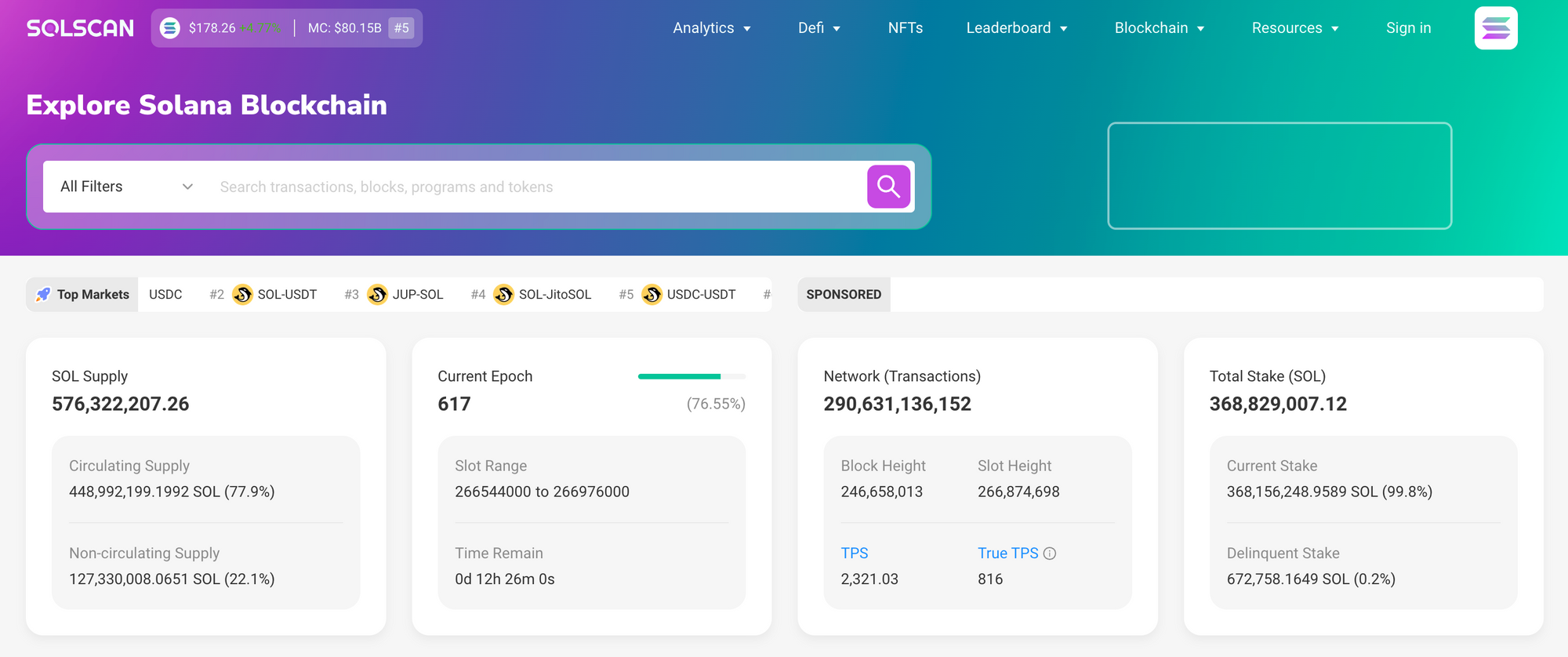
Okay, so check this out—I’ve used many explorers, and for sheer practicality I often land on solscan for quick lookups and token history. My gut feeling about it is positive: the decode coverage is solid and the token metadata shows up reliably, though it’s not perfect. On the technical side, a good explorer needs a resilient indexer that replays confirmed blocks and maintains a mapping from accounts to transactions, and it must handle forks and reorgs gracefully. Initially I thought a single highly-available RPC would suffice, but then realized distributed indexing is necessary for uptime and historical queries. I’m not 100% sure about their exact infra, but the surface behavior is what matters to end users.

Something else bugs me: error surfaces often hide the most useful info. A plain “transaction failed” message without logs is useless. The best explorers display program logs inline, show the failing instruction, and provide a decoded view of arguments and accounts. That clarity is what saves engineers time during incidents. Also—small rant—some explorers drop token decimals or mislabel mint metadata, which causes confusion for average users who just want to know their balance.

Whoa! Let me give a practical checklist. First, confirm the explorer shows inner instructions and CPI chains. Second, ensure logs are surfaced and searchable. Third, check token metadata and historical balance graphs for completeness. Fourth, validate how they handle finality and slot commitments—does the UI mark recent slots clearly? And finally, test how the tool behaves under load; some UIs choke when the network spikes, which is the worst time to need them. These steps are simple, but they separate useful tools from flashy yet brittle ones.

Hmm… indexing strategy matters more than you think. Some explorers index from RPC snapshots and miss ephemeral states, while others subscribe to real-time feeds and reindex for historical consistency. On one project I watched a mismatch between an indexer and RPC cause months of inconsistent token histories for a small but active mint. That was painful. The durable strategy is a combination: stream processed slots for low-latency updates, and periodically reprocess ranges to correct for missed events. It’s not sexy, but it works.

Seriously? Yes—security and data integrity are underrated. Explorers can be a single source of truth for on-chain disputes, and if they misrepresent data the downstream consequences are real. Verify explorers against multiple RPCs when you have high-stakes transfers. Use the tool to export raw signatures and slot numbers, and keep your own audit trail when needed. I’ve got a small script that saves JSON traces of critical txs—very very basic, but helpful when the UI lies or forgets.

Here’s an operational tip. When debugging, copy the transaction signature and paste it into the explorer, then look for these items: program logs, failed instruction index, inner instructions, and any token balance deltas. If something remains ambiguous, check recent blocks to understand parallelization effects and account contention. Often the root cause is a client-side race or an assumption about rent-exempt accounts that didn’t hold. I can’t guarantee it will fix everything, but it narrows the search drastically.

FAQ

Which explorer should I pick for development?

Pick one that surfaces program logs, decodes instructions, and shows inner instruction chains—those are the most useful features for development. For general lookups I often reach for solscan, though I try not to depend on a single tool exclusively. (Yes, that’s a small contradiction, but redundancy is a good habit.)

How do I verify a transaction independently?

Grab the signature, query multiple RPC endpoints for different commitment levels, and compare slot numbers and logs. Export the raw JSON and store it somewhere immutable if the tx matters. My simple rule: if money is at stake, save receipts immediately and cross-check later.

Getting Interactive Brokers’ Trader Workstation: A practical guide to the TWS download

If you’re a pro trader or building a setup for fast execution, getting Trader Workstation (TWS) right matters. This guide walks through how to find and install TWS, common pitfalls, and tips for keeping the platform stable for live and paper trading. No fluff — just clear steps and practical notes based on experience with IB’s platform and trading rigs.

First things first: to download the latest TWS installer, use the official distribution source. For convenience, you can jump straight to the TWS download page here: tws download. Use the installer that matches your OS (Windows or macOS) and your use case (full TWS vs. IB Gateway or standalone Trader Workstation).

Trader Workstation login screen with account selection

Which client should you pick?

Interactive Brokers offers a few different entry points: TWS (classic full client), the newer IBKR Mobile, IBKR WebTrader, and IB Gateway for API-only connectivity. For active desktop traders who use advanced order types, scanners, and real-time charting, TWS is still the go-to. If you need server-style, headless API connectivity for algos, IB Gateway is lighter and more stable for unattended connections.

System requirements and pre-install checklist

Make sure your machine meets these basics before installing:

  • Supported OS: Windows 10/11 or macOS (latest two major versions preferred).
  • CPU: Quad-core or better for multi-window setups.
  • RAM: 8 GB minimum; 16 GB+ recommended for heavy layouts.
  • Network: Low-latency, stable internet. Wired is preferred for live trading.
  • Permissions: Admin access to install and run background services.

Also consider disabling aggressive antivirus or adding TWS to trusted apps. Firewalls or corporate network filters often block real-time feeds or API ports — test on a home network first if you can.

Step-by-step installation (Windows)

1) Download the Windows installer from the link above. 2) Right‑click and run as administrator. 3) Follow the installer prompts and let the app install supporting services. 4) On first run, allow the app through any firewall prompts so TWS can reach IB’s market data servers. 5) Log in with your credentials; enable two-factor authentication if prompted.

Tip: If you get a Java or runtime error, ensure your system has the required Java runtime (TWS bundles its own JVM usually, but legacy installs sometimes require updates). Reboot after installation if connections look flaky.

Step-by-step installation (macOS)

1) Download the macOS package via the tws download link. 2) Open the DMG and drag TWS to your Applications folder. 3) On first launch macOS may block the app — go to System Preferences → Security & Privacy to allow it. 4) Grant network permissions when the OS asks. 5) Log in and verify market data subscriptions are active.

Note: Gatekeeper might complain about unsigned components; using the official installer avoids these issues. If you use M1/M2 hardware, prefer the latest TWS build tested on Apple silicon or run under Rosetta only if explicitly supported.

Configuring TWS for professional use

Customize workspaces: save layouts for different strategies (options, equities, futures). Use snapshots and export settings so you can recover quickly. Reduce CPU load by disabling unused modules — for example, turn off charts if you run charts in a separate app. Set up hotkeys for rapid order entry and configure default order sizes and slippage parameters.

For algo trading, enable API access under Global Configuration → API. Use the IB Gateway for production algos where you don’t need a GUI, and keep strict IP whitelisting and credential management — trading accounts are sensitive, so treat API keys like keys to the vault.

Troubleshooting common issues

Market data not updating? Check that your market data subscriptions are active in Account Management and that TWS shows the correct session (live vs. paper). If order submissions fail, verify routing permissions and product access (some instruments require additional approvals). If TWS freezes, check logs in the installation folder — they point to memory leaks or third-party conflicts.

Frequent disconnects often trace back to network gear — VPNs and corporate proxies can break persistent socket connections. If you’re on Wi‑Fi, try a wired connection. Also, keep TWS updated — IB releases patches addressing connectivity and stability frequently.

Updates and version control

Auto-update is convenient, but in a live-trading environment you might prefer manual control. Run updates during off-hours after verifying release notes. Keep one machine on a stable release for live trading and use a separate machine for testing new versions or experimental setups.

FAQ

How do I get access to paper trading?

Paper trading is available through Account Management; once enabled, select the Paper Trading option at the login screen in TWS. Paper accounts closely mimic live behavior but check exchange fee and rebate settings to avoid surprises when going live.

Which is better for automated systems: TWS or IB Gateway?

Use IB Gateway for headless, API-only connections — it’s lighter and more stable for 24/7 processes. TWS is fine for development and manual interventions. In production, many firms run IB Gateway on a dedicated server and keep TWS strictly for manual trading and monitoring.

Where can I get support if something breaks?

Start with IB’s knowledge base and logs: Global Configuration → Settings → Log files. If you still need help, contact Interactive Brokers’ technical support through your account portal and include relevant log snippets and timestamps for faster triage.

Why a browser extension still matters for multi‑chain DeFi dApp connections and secure transaction signing

Whoa!
Multi‑chain DeFi is messy and exciting at the same time.
Users want one click access across chains, but wallets and dApps often speak different languages.
My first impression was that a single extension would solve everything, but actually the devil’s in the UX and the signing layer, which is where most surprises live.

Really?
Yes — the connector is the piece that either smooths the ride or slams the brakes.
A good dApp connector maps chain IDs, networks, and account addresses while keeping user intent clear.
Designing that mapping poorly can leak metadata or lead to accidental signing of transactions on the wrong chain, which bites you later when funds move unexpectedly.

Here’s the thing.
Transaction signing should happen locally, on the device, under user control.
Wallet extensions provide that UX: the dApp asks, the extension prompts, the user signs, and the signed payload goes back — simple on paper.
Initially I thought the hardest part was the crypto primitives, but then I realized the human prompts and permission scaffolding are the real engineering problem, because humans are inconsistent and phishers are clever.

Hmm…
Multi‑chain support means more checks: chainId, nonce handling, gas estimation differences, and sometimes different token standards.
Connectors must surface which chain a request is for and who is asking, in plain words the user can grasp.
If the UI buries that, users will approve things they don’t understand, which is the worst outcome because it looks like consent but isn’t.

Seriously?
Yes — origins and permissions matter a ton.
A connector needs origin binding so that approvals from one site don’t bleed into another, and it must also limit what an origin can request without re‑approval.
Build that incorrectly and you create a persistent approval that a malicious page can iterate against, slowly draining or manipulating an account over many small transactions.

Screenshot mockup of a browser extension approving a cross-chain transaction

Try a practical option for a clean, multi‑chain connector

Wow!
If you want to experiment with a wallet extension that aims to balance multi‑chain reach and local signing, check this out: https://sites.google.com/trustwalletus.com/trust-wallet-extension/.
I’m biased, but having a single entry point that supports multiple chains and a consistent signing UX cuts a lot of friction.
That said, integrations vary and some dApps will still require chain switches or specific RPC endpoints, so expect a little setup and patience when you first connect.

Whoa!
From the developer side, expose only minimal RPC methods and require explicit user confirmations for sensitive calls.
Gate any permissions that allow transaction broadcasting or signature reuse behind an explicit, timely prompt.
Longer lived approvals can be useful for batch workflows, though they should come with rate limits and visible expiration so people don’t forget what they’ve allowed.

Really?
Yes, usability and safety are a tradeoff, but you can make both better by designing the prompts around intent.
Show the dApp domain, the destination address, the exact asset and amount, and what the signature will enable downstream.
If you only show raw data or hex blobs, users will click yes without knowing they just signed away access to a token or gave infinite allowance—very very dangerous.

Here’s the thing.
Thwarting phishing and third‑party injection requires origin checks, strict CORS-like behavior, and sometimes heuristics for suspicious UI patterns.
I keep a mental checklist (origin, chainId, gas, nonce, TTL) when I design prompts; it helps catch edge cases that otherwise slip past.
On one hand it’s extra work up front; on the other, it’s the difference between “oops” and “I’m glad I paused”.

Hmm…
Developer ergonomics matter too — provide easy simulated signing for local testing and clear debug logs that don’t expose private keys.
Offer a staging environment where dApps can test flows without risking mainnet funds, and make the message formats deterministic so integrators don’t guess.
This reduces support tickets and odd user behavior where folks try to sign things that look unfamiliar.

Seriously?
Absolutely.
If the extension can’t be audited or if messages are opaque, trust evaporates quickly, and users move to the path of least resistance which is not always secure.
I’m not 100% sure every team will prioritize this, but the projects that do end up with fewer recovery calls and better retention.

Wow!
From a user’s perspective, keep a few habits: verify the origin, check the network, and watch allowance prompts closely.
From a builder’s perspective, design prompts that are concise, contextual, and hard to spoof.
On the other hand, don’t make prompts so verbose that users skip them — there’s a sweet spot where clarity meets brevity, and hitting it saves everyone time and money.

Here’s the thing.
Extensions are still the most practical bridge for multi‑chain DeFi because they centralize signing while letting keys stay local.
They can act like a Swiss Army knife — routing across chains, presenting balances, and signing with the same key family — but only if the permission model is tight and the UX honest.
My instinct said install-and-forget would be fine, though experience taught me to build visible expirations and clear revoke flows to keep things sane.

Really?
Yep — revocation and transparency features are underrated but powerful.
Show active approvals, allow one‑click revocation, and surface recent signature history so users can audit quick.
If you bake in those controls, you reduce impulse approvals and give people a real tool to recover from mistakes.

FAQ

How does an extension sign transactions without exposing my private key?

Whoa!
Signing happens locally inside the extension’s secure context and the private key never leaves the device.
The dApp sends an unsigned payload; the extension presents the human‑readable intent, the user confirms, and the extension returns the signed blob.
That signed blob is what the dApp submits to the network, so the key stays safe as long as your device and extension are secure.

What should I look for when a dApp requests permission?

Hmm…
Look for the origin (domain), the chain network, the exact asset and amount, and whether the prompt is asking for a one‑time signature or ongoing allowance.
Avoid approving infinite allowances unless you trust the contract and can revoke later.
Also, pause if the prompt looks like hex gibberish — good prompts translate the action into plain language.

CFDs, cTrader, and Automated Trading: A Practical, No-Nonsense Guide for Forex Traders

Whoa!

I remember the first time I opened a trading platform and thought I was about to defuse a bomb; the layout, the indicators, the order types—overwhelming. Seriously, the difference between a good platform and a great one isn’t just features. Initially I thought all trading software was basically the same, but after months of coding, backtesting, and losing a few trades I probably shouldn’t have taken, I realized execution nuances and API reliability make or break automated strategies. I’m biased, sure, but this guide walks through CFDs, automated trading basics, and why cTrader deserves a closer look (especially if you want tight execution and sane automation tools).

CFDs are simple in concept but dangerous in practice. They let you take positions on currency pairs, indices, commodities, and more without owning the underlying asset, which is great for leverage-hungry traders but also a recipe for rapid account erosion if you’re careless. Hmm… on one hand a trader can amplify returns; on the other hand leverage amplifies losses, very very quickly. My instinct said be conservative at first, and honestly that’s saved me from somethin’ like two bad weeks. Risk management isn’t optional—it’s the platform you build everything on.

Here’s the thing. CFD execution quality varies across brokers and platforms, affecting slippage, fills, and requotes. Brokers offering tiny spreads but lousy execution are a classic bait-and-switch. I’ve seen trades fill at prices that made my jaw drop—seriously—and those moments taught me to watch execution stats like a hawk. Over time I tracked slippage per broker and built a simple metric to compare them, which saved more money than any fancy indicator ever did.

So why cTrader? Short answer: it hits a sweet spot between advanced features and usable automation. cTrader’s UI is clean (no clutter), it offers native algorithmic trading (cTrader Automate, formerly cAlgo), and it exposes an API that experienced developers actually enjoy using. On a technical level it supports fast order routing and detailed execution reports, which matter when your algo makes dozens to hundreds of decisions per day. If you want to try it yourself, you can download cTrader from this page — here — and test on demo before risking real capital.

Screenshot of cTrader workspace showing chart, DOM, and automation code workspace

CFDs: What to watch closely

CFDs are flexible, but they come with caveats. Margin calls are real, and funding costs (overnight swaps) accumulate when you hold positions, which is why swing traders and scalpers each face different cost profiles. On the plus side you can short as easily as you long, which opens up tactical hedging and relative-value plays that feel like advanced trading but are accessible to retail traders. A friend of mine used short CFDs to hedge a long equity basket and avoided a nasty drawdown—so they can be powerful in a portfolio context. Remember: always check contract specs, not just spreads; rollover rules and lot sizes can vary and will bite you if ignored.

Execution matters more than most retail traders acknowledge. Slippage, requotes, and partial fills aren’t just annoyances; they change strategy returns. I once ran a scalping bot that looked profitable in backtests but underperformed live because market impact and latency added up. After switching to a platform with better routing and lower latency, the bot’s P&L profile matched backtests much more closely. On another note, demo accounts mask slippage—demo environments often don’t replicate real market depth, so test with micro-lots first.

Automated trading fundamentals

Automated trading isn’t magic. It’s rules, discipline, and, yes, some coding. At its core you need strategy logic, robust data handling, and risk controls. Initially I thought slapping indicators together would be enough, but then realized a live market throws weird events at your code—news spikes, thin liquidity, exchange halts—that your backtest likely never saw. So design for failure scenarios: maximum drawdown stops, timeout rules, and emergency shutdowns. Also, logging is your friend; detailed logs help you trace odd behavior without guesswork.

Backtesting is necessary but not sufficient. Historical tests can overfit to noise; they don’t guarantee live performance. I still use walk-forward analysis, out-of-sample testing, and forward testing on a small live account to check robustness. Interestingly, some strategies that look marginal in backtest behave acceptably in live because of execution advantages or broker-specific fills—so don’t discard empirical evidence. However, be cautious: small sample live tests can be misleading, and randomness can masquerade as skill.

On the tech side, cTrader Automate lets you code in C#, which is a blessing if you’re comfortable with typed languages and unit testing. You can write indicators, strategies, and custom risk modules using familiar patterns, and the environment supports debugging—so you catch logic errors before they cost money. The platform also provides detailed trade and execution reports for post-trade analysis, helping you refine strategy parameters based on real fills. If you’re a developer, this workflow will feel very natural; if not, consider partnering with someone who can translate your edge into code.

Practical steps to get started with automation

Start small. Seriously. Pick one idea, keep it simple, and instrument everything. Log entries, exits, slippage, and partial fills. Test on demo and then on a live micro account. Initially I ran dozens of strategies simultaneously (rookie move), and the complexity made it impossible to know which tweaks actually helped. Actually, wait—let me rephrase that: start with one strategy, then add more once each is reliable.

Next, pay attention to data quality. Use tick-level or high-resolution bar data for backtests if your strategy depends on intrabar action. cTrader’s historical data is decent, but you might need to stitch or purchase higher-quality feeds for very short-term systems. Also, use a reliable VPS if your algo needs low-latency connectivity at New York and London hours—this matters more for scalpers than for position traders. (oh, and by the way…) check timezone settings; mismatched timezones in data can silently wreck your edge.

Risk controls can’t be an afterthought. Implement per-trade risk limits, daily max loss, and circuit breakers that halt trading after anomalous behavior. In my early days a bug caused an accidental large position; a manual intervention saved the account but that was a close one. Automated failsafes reduce human reaction time issues and prevent catastrophic errors during sleep (very important if you’re trading across sessions).

Choosing a broker and managing live deployment

Pick a broker with transparent pricing, good execution, and support for your chosen platform. Customer service matters when things go sideways at 2:00 a.m. and your algo needs a tweak. Regulation and account segregation are also important—if your broker’s custody rules are murky, it’s a red flag. Check community forums for live execution complaints; they tell tales that marketing won’t. And remember: low spreads are nice, but if fills are poor, those spreads don’t mean much.

Deploy gradually. I recommend scaling based on real-world performance metrics—not intuition. If a strategy shows consistent edge, increase size incrementally and monitor slippage and drawdown. Recalibrate when market regimes change; what worked in a trending forex regime might fail in a volatile, macro-driven period. Keep a trading journal: record parameter changes, rationale, and outcomes. Over time this becomes your best guide to sustainable improvement.

FAQ

Are CFDs suitable for beginners?

They can be, but only with strict risk controls and education. Start with a demo, learn margin mechanics, and treat leverage with respect. I’m not 100% sure about everyone’s tolerance for volatility, but if you get nervous watching small account swings, use lower leverage.

Is cTrader good for automated trading?

Yes—especially if you prefer C# and want solid execution and debugging tools. It offers a more developer-friendly environment than many retail platforms, and the built-in automation features make deployment straightforward.

How do I avoid common automated trading mistakes?

Keep systems simple, test thoroughly, instrument and log everything, and set hard risk limits. Also, monitor broker execution regularly and be ready to halt trading if markets behave oddly. This part bugs me when folks skimp on safeguards—don’t be that trader.

Why Your Monero (XMR) Needs a Private Wallet — and How to Pick One That Actually Respects Privacy

Whoa! This keeps coming up in chats and threads. People ask: “How do I store Monero without leaving a breadcrumb trail?” My instinct said that the simplest answers are often wrong. Initially I thought a hardware wallet alone was the whole story, but then I realized privacy is a stack — and every layer matters. Okay, so check this out—I’ll walk through what really matters for XMR storage, and why some “solutions” feel secure but aren’t.

Really? Yep. Monero is privacy-first by design, but your wallet choices, network habits, and storage practices can erode that property. The key is minimizing linkability: addresses, IP exposure, and device compromise. On one hand using a remote node can reduce local disk data, though actually you trade something: you leak which blocks you’re scanning unless you use authenticated or trust-minimized methods. On the other hand, running a local node is heavier, yet it gives you stronger isolation from third parties and their logs.

Wow! Here’s the short, blunt version: pick a wallet that (1) lets you control your keys, (2) avoids unnecessary cloud backups, and (3) supports connection options that reduce metadata leaks. That sounds obvious. But somethin’ about convenience makes people choose custodial or web-based keys. I’m biased, but that part bugs me—very very important to get right.

Hmm… some quick mental math: a custodial wallet that promises “we store everything for you” saves you time, yet gives a third party custody of your seed. If they get subpoenaed, hacked, or infiltrated, your privacy disappears. Initially I thought multi-sig would solve all worries, but actually multi-sig introduces coordination metadata and can complicate recovery for less technical users. On balance, non-custodial wallets that let you export seeds or use hardware integrations are the practical sweet spot for most users.

Seriously? Network-level privacy matters more than people assume. If you broadcast transactions from an IP tied to you, ring signatures and stealth addresses protect amounts and destinations, but someone could still correlate activity. Running Tor or using a VPN helps, though Tor’s exit policies and timing attacks are a thing to consider. Actually, wait—let me rephrase that: Tor reduces risk but doesn’t eliminate it, and you should pair it with client-level privacy features. It’s a layered defense, not a magic switch.

Here’s an example: You keep a wallet on your laptop and a small amount on mobile for daily use. That’s good operational security—separate cold storage for savings and a hot wallet for spending. (oh, and by the way…) If your phone auto-syncs backups to cloud services, you might be leaking your seed phrase without realizing. So disable automatic cloud backups or use encrypted, manual exports instead. Also keep the mnemonic offline in multiple secure forms, not just one note in a file.

Whoa! Hardware wallets deserve a quick aside. They isolate private keys from the internet and are a huge win for storage. But they must be used correctly: firmware authenticity, PINs, and seed backup practices all matter. Initially I thought any hardware device was fine, though actually some cheap or obscure devices have poor integration with Monero’s RPC signing or need third-party bridges that reintroduce risk. Buy reputable devices, verify firmware, and prefer open-source wallet software that talks to them directly.

Wow! There’s also the user-experience trade-off. Ease-of-use features like automatic node lists or remote node defaults are friendly, but they can push users to accept connections that weaken privacy. A wallet that educates users about node choice and provides clear, safe defaults is rare but valuable. I’m not 100% sure about every wallet out there, but I look for one that puts privacy controls front-and-center and asks permission before making risky defaults. Small prompts and nudges make a big difference when people are tired or distracted.

Really? Recovery planning is underrated. If you lose your device, the seed phrase is your lifeline. But writing it down incorrectly, storing it in plaintext, or entrusting it to email will bite you later. Consider split backups (Shamir’s Secret Sharing) for high-value holdings, or steel backups for fireproof durability. On the flip side, complex recovery schemes increase the chance of user error, so match your approach to your technical comfort level.

A simple sketch of layered Monero privacy: device isolation, network obfuscation, and seed control

Where to Start — A Practical Wallet Recommendation

Okay, so which wallet? I’m partial to wallets that are non-custodial, open-source, and support hardware integration plus privacy-focused network options. If you want a starting point that combines user-friendly design with those principles, check out https://sites.google.com/xmrwallet.cfd/xmrwallet-official/ — it reads like a sensible place to begin when evaluating options. I’m biased toward projects that document their threat model and how they handle node connectivity, and that link leads to a place that tries to be transparent about that.

On one hand, a light wallet with a remote node is convenient for travel. On the other hand, travel and convenience increase risk if you connect over public Wi‑Fi without precautions. Initially I suggested just “use a VPN,” though that felt like a cop-out, so: pair a light wallet with Tor or trusted VPN, keep spend amounts reasonable, and reserve large sums for cold, air-gapped storage. Balance matters; paranoia has costs too.

Something felt off about blanket recommendations that say “just use X wallet.” Realistically, the best wallet is the one you actually use correctly. If a too-complex setup leads you to store your seed on a sticky note stuck to your monitor, then the design failed. Conversely, a slightly less private but easy-to-use wallet that you can operate reliably is often better than an idealized setup you never maintain.

I’ll be honest: there are trade-offs I gloss over. Usability, recovery, device theft, and user error are all real. My working rule is to maximize plausible deniability and minimize single points of failure. That means split backups, hardware wallets for long-term holdings, and Tor/VPN for regular transactions. Also practice a dry run of recovery every so often—don’t wait until panic hits.

FAQ

Q: Is Monero anonymous out of the box?

A: Monero provides strong on-chain privacy features by default, but end-to-end privacy depends on your wallet and network practices. Use privacy-aware wallets, avoid cloud backups of seeds, and obfuscate your network layer (Tor/VPN) for better results.

Q: Should I run my own node?

A: Running a node gives you the best privacy and trust model, but it requires disk space and bandwidth. If you can’t, pick wallets that support Tor or trusted RPC options and be wary of public remote nodes.

Q: How do I store my seed safely?

A: Prefer hardware or offline paper/steel backups stored separately. Consider split backups for high-value holdings and avoid digital copies unless they’re encrypted and offline.

So, where does this leave you? Curious and cautious is a healthy place to be. Security isn’t a checklist you finish and forget. It’s a habit, a mindset, and a few simple practices repeated over time. Something like: control your keys, limit cloud leaks, separate hot and cold, and use network obfuscation. I’m not perfect at this—nor are any of us—but if you start with those principles you’ll be ahead of most users who treat crypto like a mobile banking app and nothing more.

Alright. One last thought—privacy tools evolve fast, and community review is your friend. Keep learning, test your recovery, and don’t assume convenience equals safety. Hmm… I’m curious what your use-case is. If you want, tell me where you store XMR now and I can give a practical next step.